Mylo Forever Review

The most common mistake people make before subscribing to Mylo Forever: assuming it is a general-purpose competitor to Netflix. It isn’t — and that misread is responsible for most of the negative reviews scattered across app stores and forums. People signed up for the wrong reasons and then blamed the product for not being what it never claimed to be.
This review treats Mylo Forever the way a subscription analyst would: what does the platform actually cover, what are the explicit exclusions, what does the refund structure mean in practice, and who is the risk-adjusted right subscriber? One structural note before the breakdown: content availability and subscription pricing vary by region. European and Asia-Pacific subscribers may find the effective catalog smaller than the advertised total due to distribution rights restrictions on licensed titles. U.S. and Canadian subscribers get the fullest version of the library.
What Mylo Forever Actually Is
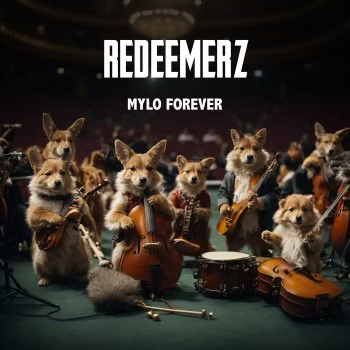
Mylo Forever is a curated entertainment subscription built around three content pillars: original dramatic series, licensed independent and arthouse films, and exclusive music artist sessions. The “Forever” in the name refers to the annual billing tier — $89/year upfront versus $12.99/month on a rolling plan. The music integration layer is the platform’s only genuine differentiator from every other streaming service on the market. If that layer doesn’t interest you, this review is already telling you something important about your fit as a subscriber.
The Content Library: What You Are Actually Paying For
Mylo Forever’s catalog sits at approximately 1,200 titles. That number means very little without context. Here is how its coverage compares to the platforms most subscribers are already holding:
| Platform | Total Titles | Originals | Music Content | Price (2026) | Offline Downloads |
|---|---|---|---|---|---|
| Mylo Forever | ~1,200 | 50+ originals | Yes — exclusive sessions | $12.99/mo or $89/yr | 25 titles max |
| Netflix (Standard) | ~15,000+ | Extensive | No | $15.49/mo | Unlimited |
| Disney+ | ~7,000+ | Marvel, Star Wars, Pixar | No | $7.99–$13.99/mo | Yes |
| Hulu (No Ads) | ~5,500+ | Moderate | No | $17.99/mo | Limited |
| Apple TV+ | ~300 | Premium originals only | No | $9.99/mo | Yes |
Streaming Quality and Technical Specs
Mylo Forever delivers 4K HDR on supported hardware, with Dolby Atmos audio available on select originals. Average 4K bitrate runs around 25 Mbps — comparable to Netflix’s Premium plan. Offline downloads work on iOS and Android, limited to 25 titles stored locally at any time. The desktop web player functions but shows its gaps: no picture-in-picture mode, subtitle customization limited to font size and two color options, and noticeably slower UI response on older hardware. Devices predating 2026-era specifications — an iPhone 11 or comparable Android — will buffer on 4K content and occasionally crash during music session playback.
The Content Refresh Rate Problem
Mylo Forever adds approximately 8–12 new films and one to two new series releases per month. For a household watching two to three hours daily, the library feels stale within six to eight weeks. This is a structural constraint, not a temporary gap. Netflix adds hundreds of titles monthly. Hulu refreshes daily with next-episode network television content. High-volume viewers — four or more hours most evenings — will exhaust Mylo Forever’s relevant catalog before the third month of a twelve-month commitment.
How to Use the Free Trial Without Wasting It
Mylo Forever offers a 7-day free trial. Most people use it passively, watch one show, and either forget to cancel or forget to evaluate. Run a structured test instead: identify 10 specific titles you’d genuinely sit down and watch tonight, complete at least two of them, and assess whether the music sessions added any real value to your time. If you cannot generate that list of 10 without hunting, the catalog isn’t suited to your viewing habits regardless of price.
Three Streaming Checks Most Subscribers Skip
These apply to every entertainment subscription — not Mylo Forever specifically. Run through all three before paying for anything.
- Pull your actual watch history. Open every streaming service you currently pay for and look at what you have genuinely watched over the past 90 days. Most households spend 80% of their viewing time on two platforms. The other services in the stack are subscription costs, not entertainment value. Identify the two you would keep if forced to cut down to two — then question why you are still paying for the others.
- Find the cancel button before you subscribe. Not after. Go directly to account settings on any new platform and locate the cancellation path before entering payment details. If you cannot find it in under 60 seconds, that friction is intentional design — and it should factor into your decision. Month-to-month plans cancel in two clicks. Annual commitments and loyalty tiers often require form submissions or waiting periods that are deliberately inconvenient.
- Calculate cost per viewing hour. Divide your monthly rate by the hours you actually use the platform each month. A $10 service you use for 40 hours costs $0.25 per hour. The same $10 service you use for 4 hours costs $2.50 per hour — more expensive per hour than a cinema seat. Mylo Forever at $7.42 effective monthly cost ($89/year) needs at least 15 hours of active monthly use to compete cost-efficiently with casual entertainment alternatives.
Before committing annual billing to any platform, trial at least two competitors with their free periods simultaneously. The landscape shifts fast enough that a decision made on one review in isolation will often miss a better-value option running a promotion at the same time.
Mylo Forever vs. Apple TV+: The Comparison That Actually Matters
Stop comparing Mylo Forever to Netflix. The honest market comparison is Apple TV+ — and when you run that analysis squarely, the result is closer than Mylo Forever’s marketing would prefer you to think.
Both platforms sit at approximately $9.99–$12.99/month. Both bet on curation over volume. Apple TV+ has roughly 300 titles, all originals, versus Mylo Forever’s 1,200 mixed titles. The critical difference is production quality and critical recognition: Apple TV+ has generated real cultural conversation with Severance, Ted Lasso, The Morning Show, Slow Horses, and Shrinking. Multiple Emmy and Academy Award wins. Budgets that show on screen in every frame. Mylo Forever’s originals are competent — a few are genuinely strong — but none have broken into mainstream awards conversation. That gap matters when you’re deciding where your $10 goes each month.
The Music Layer: Mylo Forever’s Only Uncontested Advantage
Apple TV+ has no music content. Netflix has no music content. Hulu, Disney+, + — none of them do. Mylo Forever’s exclusive artist sessions — recorded live performances, studio-access documentary shorts, and behind-the-scenes content from independent musicians — exist nowhere else on any mainstream platform. For viewers who engage with music as more than background audio, who want the visual and narrative context around how records get made, this is legitimate added value that cannot be replicated by switching to a competitor.
For casual listeners who treat streaming audio as functional background noise, this layer adds zero value to the subscription decision. Be precise about which category describes you before assigning weight to this feature.
The Bundle Math Changes Everything for Apple Users
Apple TV+ bundles within Apple One at $19.95/month, combining Apple Music ($10.99/month standalone), iCloud+ storage at 200GB ($2.99/month standalone), and Apple Arcade alongside TV+. If you are already paying for Apple Music and iCloud+ separately, Apple One saves money and makes Apple TV+ effectively free within the combined plan. Mylo Forever has no comparable ecosystem integration. It is a standalone subscription with no bundle efficiency, no family plan pricing structure, and no cross-service discounts. That is a meaningful disadvantage for anyone already embedded in Apple’s services stack.
Where Mylo Forever Fails: The Exclusions Worth Reading Carefully
Every subscription product contains terms that favor the provider over the subscriber when tested at the margins. Mylo Forever is no exception. These are the specific failure points that generate the most legitimate criticism — not interface complaints or content taste disagreements, but structural problems.
The Forever Plan Refund Structure Is a Consumer Red Flag
The annual “Forever” plan charges $89 upfront. The refund policy — buried in the terms of service, not prominently featured on the pricing page — returns 50% of the value of unused months, not the full prorated amount. A subscriber who pays in January and cancels after three months, having used 3 of 12 months, would recover the value of approximately 4.5 unused months rather than 9. That works out to a loss of roughly $33–$37 on a service they have stopped using. This is not a minor technical detail. It is a meaningful financial penalty for subscribers who misjudge their fit with the platform. The month-to-month plan at $12.99 carries no cancellation penalty and is the appropriate starting point for anyone with any uncertainty about long-term engagement. Commit to the annual plan only after completing at least two full months on monthly billing and actively using the service through both.
International Content Is Structurally Absent
Mylo Forever’s licensed catalog skews nearly entirely American and British. Korean dramas, anime, French cinema, Spanish-language series, South Asian films — the selection ranges from thin to nonexistent. This is not a temporary licensing gap being worked on. It reflects a curatorial positioning that targets a specific demographic, and that choice is not going to reverse course on the existing subscriber base’s timeline. Meanwhile, Netflix’s most-watched titles globally in recent years include Squid Game, Money Heist, Dark, and Sacred Games — titles that generated broader cultural engagement than most English-language originals released in the same periods. If international content represents any meaningful share of your regular viewing, Mylo Forever’s catalog is a structural regression, not a trade-off you can work around by browsing deeper.
Family and Children’s Content Is Effectively Missing
No dedicated children’s interface. No robust parental controls beyond a basic account PIN. A kids’ catalog that amounts to roughly 15 animated shorts and a handful of family-classified films. For households with children under 12, this platform is the wrong choice — full stop. Disney+ at $7.99/month for the ad-supported tier covers Pixar, Marvel, Star Wars, National Geographic, and decades of Disney animation. It is a complete family entertainment stack at a lower monthly rate than Mylo Forever’s rolling plan. Redirecting Mylo Forever’s $89/year budget to Disney+ for a family household is not a close call.
The Subscription Verdict: A Direct Answer by Use Case
Mylo Forever serves a narrow audience well. Here is the breakdown without ambiguity:
- Light viewers who genuinely engage with independent music culture: Worth subscribing. The exclusive music sessions are a real differentiator, and the video library is sufficient for casual viewing habits — under 10 hours per week. The $89/year annual rate is competitive for this use case.
- High-volume daily streamers: Skip it. The monthly refresh cadence will not keep pace with consumption. Netflix or Hulu is the right primary service for this viewer profile.
- Families with children under 12: Skip it. Disney+ covers this use case definitively at a lower monthly price. There is no competition between the two for family entertainment.
- International content viewers: Skip it. The catalog gap is structural, not temporary. Netflix remains the only mainstream platform with real international depth across Korean, European, Latin American, and South Asian content.
- Current Apple TV+ subscribers: Compare directly before stacking Mylo Forever on top at a similar price point. Running both simultaneously is likely redundant unless the music integration is specifically the draw. Trial Mylo Forever on monthly billing while pausing Apple TV+ for one month to test the comparison honestly.
- Anyone uncertain: Start on the $12.99 monthly plan. Do not pay $89 upfront before completing at least 60 days of active, intentional use. The refund policy makes uncertainty expensive.
The subscriber who opened this review wondering whether Mylo Forever’s subscription makes financial sense now has a specific answer. The platform’s value case is narrow but genuine — for the right viewer, the curated catalog and music integration offer a real alternative to the bloated libraries of larger competitors. For the wrong viewer, the annual plan’s 50% refund structure and thin content refresh rate are exactly the kind of policy terms that don’t feel significant until you’re six months into a service you’ve stopped watching. Read those terms before clicking commit. The free trial exists for exactly this reason — use all seven days of it with intention, run the cost-per-hour math, and compare at least one alternative before deciding.