Bold Optimism in Indie Music Trends to Watch in 2026

The Sonic Architecture of Joy
Have you noticed how indie music in 2026 embraces maximalist indie production with an infectious sense of optimism? This year marks a bold return to hi-fi, layered, orchestral arrangements, reminiscent of the classic ‘Wall of Sound’ technique, but freshly reimagined for today’s audience. The sound is lush, dense, and unapologetically joyful — a stark contrast to the sparse aesthetics that dominated the early 2020s.
Maximalism Returns: A Rich Revival
The era of minimalism in indie music is definitively fading. Instead, artists are crafting expansive sonic tapestries that overflow with vibrant textures:
- Stacked vocal harmonies that swirl and envelop
- Orchestral flourishes blending strings, horns, and synths
- Deeply textured production creating a sense of movement and warmth
This maximalism gives tracks a larger-than-life feel, inviting listeners into an immersive world of dopamine-inducing soundscapes.
Tempo and Rhythm: Dance Energy Uplift
Another defining trait is the surge in tempo and rhythmic drive — an uptick in BPM that propels indie rock onto dance floors. It’s not just about speed, but the infectious beats that combine:
- Dance-punk energy pulsing beneath guitar riffs
- Disco-inspired basslines that command feet to move
- Syncopated rhythms making songs feel alive and kinetic
This high-energy movement breaks away from the slow, introspective tempos of the past, embracing a genre-fluid euphoria that encourages celebration.
The Organic-Digital Hybrid: Futuristic Yet Human
What’s fascinating is how this sonic architecture melds the tactile with the synthetic. We’re seeing a masterful blending of raw acoustic instruments — think warm guitars, hand percussion — with shimmering, futuristic hyper-pop synths. This fusion creates a sound simultaneously grounded and otherworldly, evoking a future that feels deeply human.
- Real instruments add warmth and unpredictability
- Digital layers contribute brightness and complexity
- The juxtaposition crafts an audio experience of sonic resilience and radical joy
In 2026, indie music’s sonic identity is an artful balance: bold, rich, and relentlessly optimistic, perfectly reflecting a cultural moment hungry for exuberance.
Lyrical Themes: From Introspection to Connection
In 2026, indie music’s lyrical focus is shifting dramatically. The death of irony marks a move away from detached sarcasm toward genuine sincerity and vulnerability. Songwriters are opening up, trading cryptic jokes for raw, heartfelt storytelling that invites listeners to feel and relate.
Another major shift is the emphasis on the collective over the individual. Lyrics now highlight “we” instead of “I,” celebrating friendship, festivals, and the rebuilding of community bonds post-pandemic. This trend reflects a deep craving for togetherness, with artists crafting songs that feel like invitations to shared experiences and collective joy.
At the same time, climate anxiety isn’t just expressed through fear anymore. Instead, eco-optimism, driven by Solar-Punk music aesthetics, is reshaping the narrative. Nature and preservation emerge as hopeful themes, painting an uplifting vision of a sustainable future that fits perfectly with the larger wave of maximalist indie production and radical joy in songwriting.
This vibrant lyrical shift aligns with other aspects of the genre’s evolution, capturing the spirit of a post-pandemic cultural renaissance that’s all about human connection and hopeful resilience. For fans of deeply engaging storytelling combined with euphoria-inducing soundscapes, this is where indie music truly thrives.
The Visual Aesthetic: Dopamine Dressing for the Ears
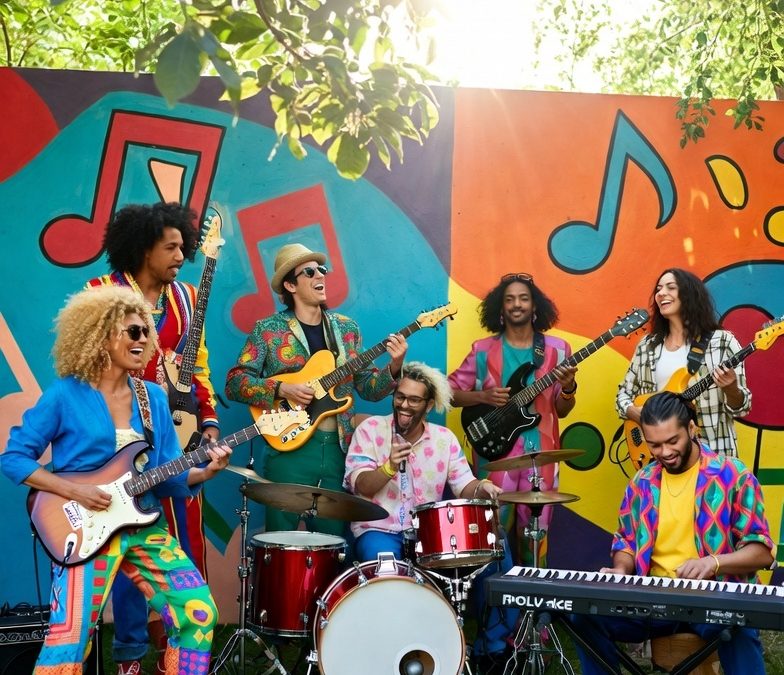
In 2026, indie music visuals have flipped from muted greyscale tones to vibrant neon and psychedelic colors that grab your attention instantly. Album art is embracing high-contrast designs, reflecting the bold optimism and maximalist indie production fueling the sound. This surge of dopamine-inducing soundscapes extends beyond just the music to become a full sensory experience.
Live shows are no longer passive events; they’re fully immersive. Crowd participation has become a key element, creating a shared energy that pushes festival lineups toward pure euphoria rather than reflective or contemplative moods. This trend mirrors the growing demand for upbeat festival anthems that bring people together, fueling the scene’s sonic resilience and community building.
For a deeper look at how these optimistic themes are transforming indie music visuals and live experiences, check out this insightful discussion on the rise of optimism in indie rock.
Key Sub-Genres Driving the Movement
Indie music in 2026 is being propelled by fresh sub-genres that embrace bold optimism and genre-fluid euphoria.
- Neo-Psychedelic Funk is taking center stage with groove-heavy, faster, and brighter sounds. Think layered basslines and shimmering synths that echo the feel of classic psychedelia but sped up and made more vibrant. Artists drawing from this trend often blend maximalist indie production with danceable rhythms, reminiscent of acts like Khruangbin but with a more electrified edge. For fans craving a dopamine-inducing soundscape, this sub-genre delivers a sonic resilience that feels both retro and futuristic.
- Anthemic Indie-Folk is enjoying a resurgence too, highlighted by a stomp and holler revival mixed with electronic elements. This fusion gives familiar acoustic warmth a new energy, combining crowd-pleasing choruses with hyper-melodic synth layers. It’s the kind of genre where you’ll hear the communal spirit of festivals merged with experimental production styles, similar to mixing the fervor of Mumford & Sons with the glitchy excitement of 100 gecs. This uplifting style perfectly mirrors the industry’s wider shift towards collective themes and upbeat festival anthems.
- Euphoric Shoegaze flips the traditional shoegaze script by maintaining the genre’s iconic noise textures but trading usual minor keys for soaring major progressions and bright melodies. It keeps the wall of sound alive, but this time it’s drenched in radical joy rather than melancholy. This sub-genre epitomizes the post-pandemic cultural renaissance, offering listeners immersive, high-BPM indie rock tracks that both engage and uplift.
Together, these sub-genres illustrate the future of indie music — one where genre-fluid euphoria and sincere, maximalist expression reign supreme. For an example of this sonic renewal, check out reviews like the immersive December Songs album that showcase this blend of vibrant indie pop revival and sonic resilience.
The Industry Driver: Why Now?
We’re seeing a cultural explosion in indie music because the “Roaring 20s” arrived late. The mid-2020s have become a kind of postponed renaissance after years of global crises. This delay has created a hunger for radical joy in songwriting and maximalist indie production that feels like a celebration of resilience and renewal.
Another big factor is algorithm fatigue. Listeners are tired of the endless stream of passive, background-friendly chill vibes pushed by streaming platforms. Instead, people want music that demands their full attention — tracks with dopamine-inducing soundscapes and upbeat festival anthems that pull them in and spark real emotion. This shift has pushed artists toward creating more engaging, high-BPM indie rock and genre-fluid sounds that make you want to move, think, and connect.
This moment is perfect for the resurgence of indie pop revival 2026—where sincerity beats irony, and vibrant, communal experiences replace solitary listening. For an example of this cultural shift in sound and spirit, you can check out the insightful review of Our Love Is Music which captures that energy perfectly.