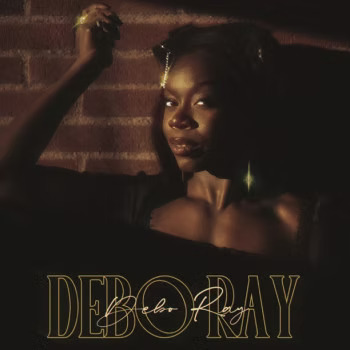
Debo Ray Review

Finding genuinely funny stand-up comedy has gotten harder, not easier, despite more platforms offering it than ever before. The same twenty names cycle through every recommendation engine, and most new additions to that list arrive pre-packaged with Netflix deals and publicist-curated headlines rather than through actual material quality. Debo Ray is building his career outside that system — and the work is worth going to find.
The Specific Frustration That Every Comedy Fan Eventually Hits
Here’s the scenario: you’ve watched John Mulaney’s Baby J, Ali Wong’s Don Wong, and Dave Chappelle’s most recent specials. You’ve gone back through the classics — Richard Pryor’s Live in Concert, George Carlin’s Jammin’ in New York, early Chris Rock. You’ve scrolled Netflix’s comedy section three times. Every recommendation leads back to someone you already know.
This is a structural problem, not a content problem. The algorithm governing comedy discovery on YouTube, Netflix, and Spotify doesn’t reward quality — it rewards existing audience size. A comedian with 2 million subscribers posting weekly clips will always outrank a better comedian with 40,000 followers who focuses on live performance. That gap isn’t going to fix itself.
The result is a cycle where interesting comedians doing genuinely interesting work stay invisible until a specific tipping point: a late-night appearance, a viral clip for the wrong reasons, or a major platform deal. Before that moment, there’s a window where you can find them. It’s usually short. After the tipping point, everyone finds them simultaneously and the discovery feels less like discovery and more like following a crowd.
Why Streaming Platforms Narrow the Pool
Netflix, Prime Video, and HBO Max all produce comedy specials. But they greenlight them based on existing name recognition, not material quality. They need a comedian to already have an audience that will click the special on release day. This creates a self-perpetuating loop: comedians who already have platforms get specials, which builds bigger platforms, which qualifies them for future specials. The comedians building through live performance — which is most serious comedians — don’t have the metrics these platforms need, regardless of how strong the material actually is.
The Short-Form Comedy Trap
TikTok, Instagram Reels, and YouTube Shorts have built a parallel economy where 60-second clips generate more views than a full hour-long set. But a 60-second clip and a 45-minute structured stand-up show are completely different skills. Some comedians who build massive followings on short-form content fall flat across a full hour. And some comedians who build structurally sophisticated sets — with callbacks, premises that pay off 20 minutes after they’re planted, and tags that reward patient audiences — don’t compress to clips without losing the thing that makes them work. Debo Ray is the latter type. His material needs room. The algorithm mostly ignores him for exactly that reason.
What Deliberate Comedy Discovery Actually Requires
The fix for algorithm blindness is going to look for comedians rather than waiting to be shown them. For stand-up specifically, this means four concrete moves:
- Go to comedy clubs. Venues like The Comedy Cellar in New York, The Comedy Store in Los Angeles, Zanies in Nashville and Chicago, and Helium in Philadelphia and Portland book emerging comedians alongside established acts. A $25 ticket exposes you to four or five comedians in one night. At least one will surprise you.
- Use long-form podcasts instead of short clips. Shows like Kill Tony from The Comedy Mothership, Your Mom’s House with Tom Segura and Christina Pazsitzky, and Fly on the Wall with Dana Carvey and David Spade regularly feature comedians before they break through. Hearing a comedian talk about comedy for an hour tells you more about their intelligence than a three-minute clip ever will.
- Search directly rather than waiting for recommendations. If a comedian is mentioned once and you find them interesting, go search their name immediately. The algorithm will not surface them again reliably — it serves your viewing history, not your curiosity.
- Follow comedy festival lineups. Moontower Comedy Festival in Austin, Clusterfest in San Francisco, and Limestone Comedy Festival in Bloomington regularly book comedians in the pre-special stage. The lineup announces who the industry thinks is worth watching before the general public knows to look.
None of this is complicated. All of it requires intention rather than passive consumption. The comedians worth discovering are findable — they’re just not findable by accident.
What Separates Craft From Someone Who Is Just Funny
Before getting specific about Ray, it’s worth being clear about what good means in stand-up, because the bar matters for the rest of this conversation.
Structural discipline: the setup earns the punchline, the premise is specific enough to be recognizable without being so narrow it only lands for one person, and tags — second punchlines built on the same premise — are deployed without feeling forced. The bit ends when it should end, not when the comedian runs out of things to add.
Originality of observation: the core premise is something an audience has thought but has never articulated. Not the “airplane food is weird” tier — something specific enough to be startling and general enough to travel.
Economy: nothing is wasted. Every sentence moves the bit forward. Padding and throat-clearing are absent. This is the hardest quality to develop and the most obvious in its absence.
Adaptability: a comedian who reads a live room, adjusts to unexpected reactions, and recovers from bits that don’t land is demonstrably better than someone executing the same script regardless of what’s happening around them. This only shows up live — you cannot fake it on a recording.
These markers aren’t subjective. You can feel them as a viewer. The specificity of Mulaney’s character details, the economy of Mitch Hedberg’s language, the structural payoff of Mike Birbiglia’s long-form storytelling in My Girlfriend’s Boyfriend — each of those is a craft choice you can point to. The same framework applies to what Debo Ray does well, and where he still has work to do.
Who Is Debo Ray?
Debo Ray is a stand-up comedian building his career through live performance rather than platform deals or viral social media. His comedy draws from personal experience and cultural observation — specifically the experience of navigating spaces, expectations, and dynamics that weren’t built with his background in mind. It’s autobiographical in structure, which is common enough in the medium, but the execution is what matters.
He’s performed at clubs on the comedy circuit and his recorded sets surface through YouTube searches and podcast appearances. He is not a household name. That’s precisely the point of mentioning him now.
The Style He Has Developed
Ray’s performing style is controlled and deliberate. He doesn’t fill space with movement or compensate for underdeveloped material with performative energy. He lets pauses land — a technique that requires genuine confidence because silence on stage feels longer than it is, and most comedians rush through it. Ray doesn’t rush. Punchlines arrive with weight because the audience has had time to think they know where the bit is going, and then they’re wrong, and the misdirection is satisfying rather than cheap.
The closest comparisons land in a specific lane: Nimesh Patel’s observational sharpness, Hasan Minhaj’s cultural specificity from his early pre-Netflix work, and Neal Brennan’s structural discipline in how premises get fully explored rather than abandoned for the next bit. Ray shares qualities with all three without sounding like any of them. The voice is his own.
What He Is Building Toward
Comedians at Ray’s career stage are working out material in real time. Every club performance is a stress test of what works and what needs another draft. Material that survives 200 nights of live performance is different from material that survives a recording session — it has been tested against real rooms with real people who weren’t paid to find it funny. What comes out the other end is genuinely better for it. That’s the specific value of watching someone at this stage: the material is still alive.
Where Ray’s Sets Genuinely Shine
The strongest work in Ray’s sets is the observational material — not in the “have you ever noticed” sense, but the hyper-specific observation that shouldn’t generalize and somehow does. The moment an audience laughs because they recognize something they’ve never been able to articulate is the hardest thing in comedy to engineer. Ray hits it consistently in his better sets.
His personal narrative material borrows the structure of Mike Birbiglia’s long-form storytelling — a story that plants details early, builds them across several minutes, and delivers a payoff proportionate to the investment. This requires an audience to stay engaged without a punchline for a stretch. Ray earns that trust because the story actually arrives somewhere rather than just ending when he runs out of material to fill the time.
Crowd work is where his live adaptability shows most clearly. Many comedians treat crowd work as filler between prepared bits. Ray uses it as genuine improvisation that feeds back into the set — reading which direction a specific audience is willing to go, and adjusting in real time. This doesn’t show up in recorded sets. It’s a strong argument for seeing him live rather than only watching clips.
The Honest Critique: Where Debo Ray Loses the Room
His sets open slower than they should. The first few minutes are competent but rarely the best work of the night. He warms up alongside the audience rather than arriving already running at full speed. If you’re unfamiliar with him and exit after five minutes because the opening bits landed soft, you made a mistake — but the slow start is his fault, not yours. Give him to the eight-minute mark before forming an opinion.
| Comedian | Style | Career Stage | Where to Watch | Best For |
|---|---|---|---|---|
| Debo Ray | Observational + personal narrative | Emerging — pre-special | YouTube, live clubs | Fans who want to discover early |
| Nimesh Patel | Sharp observational, culturally specific | Mid-level | YouTube, club sets, podcast appearances | Fans of efficiency and bite |
| Hasan Minhaj | Personal narrative with high production | Established | Netflix (Homecoming King, The King’s Jester) | Fans of big-stage storytelling |
| Neal Brennan | Confessional, structurally experimental | Established | Netflix (3 Mics, Blocks) | Fans of emotionally direct comedy |
| Mike Birbiglia | Long-form narrative storytelling | Established | Netflix (My Girlfriend’s Boyfriend, Thank God for Jokes) | Fans of the full hour as a single story |
The niche appeal factor is real. Ray’s most culturally specific material works extremely well for audiences inside the cultural reference frame — and lands less hard for those outside it. His observational material travels widest. His personal narrative sits in between. Knowing this going in helps calibrate expectations rather than writing him off unfairly on a set where the specific material happens to dominate.
The Recording Gap
Ray is measurably better live than on screen. His timing and ability to read a room don’t fully translate to recorded video. If your only exposure is YouTube sets, you’re getting roughly 70% of what he delivers in a live room. This is a genuine limitation of how his work is currently documented, not a limitation of the work itself. If you can see him live, that’s the right call.
The Verdict
Debo Ray is worth your time if you’re the kind of comedy fan who cares about craft rather than celebrity. The material is written, the voice is specific, and the live performance is better than the recordings suggest. The window to find him before the algorithm finds him for everyone else is still open.
Stand-up comedy has always rewarded the fans who go looking rather than waiting. That’s still true. The best version of discovering someone is finding them in a small room before the room gets too big — and that’s exactly where Debo Ray is right now.