
Best Journal Book for Women: 2024 Reviews for Wellness and Creativity

The search for the perfect journal often begins with a specific, quiet yearning for order amidst the chaos of a hyper-connected life. The tactile sensation of a pen gliding across high-quality paper remains one of the few analog experiences that digital interfaces cannot replicate. For many women, a journal is not merely a collection of bound pages; it is a repository for cognitive offloading, emotional processing, and creative experimentation. Selecting the best journal book for women requires an analysis of paper chemistry, binding integrity, and the specific psychological goals of the user. Whether the intent is to track habits, practice gratitude, or draft the next great novel, the physical medium significantly influences the consistency of the practice. The weight of the book in one’s hand, the scent of the binding, and the way the paper accepts ink all contribute to a sensory ritual that signals to the brain that it is time to slow down and reflect.
The Psychological Impact of Physical Journaling on Women’s Wellness
Research into the efficacy of expressive writing suggests that the act of handwriting engages the brain in ways that typing does not. This is often referred to as the generation effect, where the physical effort of forming letters helps encode information more deeply into the long-term memory. For women navigating complex professional landscapes or managing the multifaceted demands of domestic life, a journal serves as a private sanctuary for reflection. It is a space where the internal monologue is externalized, allowing for a detached analysis of stressors and triumphs. This externalization is crucial; by moving thoughts from the abstract space of the mind to the concrete reality of the page, the writer gains a sense of agency over their narrative.
The neurological benefits are substantiated by studies indicating that regular journaling can lower cortisol levels and improve immune system function. When a woman commits her thoughts to paper, she is essentially performing a form of self-directed cognitive behavioral therapy. This process of labeling emotions—often called affect labeling—reduces the activity in the amygdala, the brain’s emotional center, and increases activity in the prefrontal cortex, which governs rational thought. It is not just about the words; it is about the transition from a state of reactive emotion to one of proactive observation. Over time, this practice builds emotional resilience, allowing women to process trauma or daily frustrations with greater clarity.
Furthermore, the concept of “Narrative Identity Theory” suggests that we understand our lives through the stories we tell ourselves. Journaling allows a woman to edit and refine this story in real-time. But the choice of the journal itself matters more than one might assume. A journal that feels precious or fragile might inhibit the writer, leading to a performative style of writing rather than an honest one. Conversely, a journal with poor paper quality that allows ink to bleed through the pages can create a frustrating experience that discourages daily use. The intersection of aesthetics and utility is where the habit of journaling either flourishes or dies. To find the best journal book for women, we must look beyond the cover art and examine the structural components that facilitate a long-term habit.
Technical Specifications: Comparing Paper Weight and Ink Compatibility
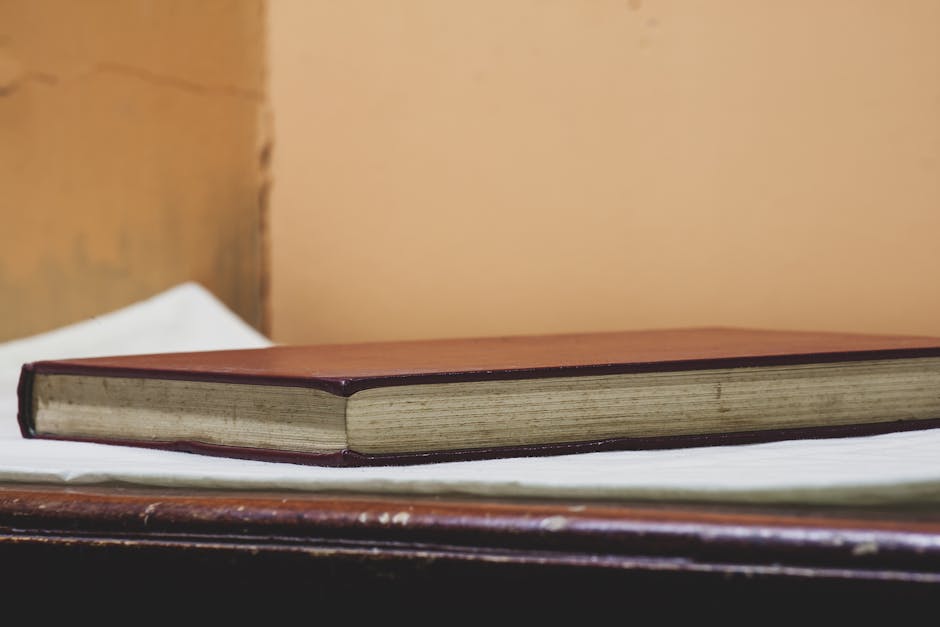
When evaluating journals, the most critical technical specification is the GSM, or grams per square meter. This measurement determines the thickness and density of the paper. For the average user, a GSM of 80 to 100 is standard, providing a balance between book thickness and paper opacity. However, for those who prefer heavy ink flow from fountain pens, markers, or heavy gel pens, a higher GSM is necessary to prevent ghosting and bleeding. Ghosting refers to the faint visibility of writing on the reverse side of the page—often called “show-through”—while bleeding occurs when the ink actually penetrates the fibers and appears as spots on the other side, potentially ruining the next page’s surface.
Beyond GSM, the “tooth” or texture of the paper is vital. Smooth, coated papers (like those from Rhodia or Clairefontaine) allow pens to glide with zero resistance, which is excellent for fast writing but can lead to longer drying times and smudging for left-handed writers. Uncoated papers have more “tooth,” providing a tactile feedback that many find satisfying, though they may absorb more ink and cause “feathering,” where the ink spreads out into the paper fibers like a tiny spiderweb. Understanding these nuances helps in selecting a journal that complements your specific writing instrument of choice.
| Brand | Paper Weight (GSM) | Best For | Approx. Price | Binding Type |
|---|---|---|---|---|
| Leuchtturm1917 | 80 – 120 | Daily writing, fountain pens | $23 – $28 | Smyth-Sewn |
| Archer & Olive | 160 | Art journaling, markers, gouache | $35 – $40 | Smyth-Sewn |
| Moleskine | 70 | Pencil, light ballpoint use | $18 – $22 | Glued/Stitched |
| Papier | 100 | General journaling, gel pens | $30 – $35 | Smyth-Sewn |
| Stalogy 365 | 52 | Minimalists, high page count | $25 – $30 | Flat-lay |
Leuchtturm1917 has long been considered a benchmark in the industry. Their classic A5 notebook features 80gsm paper that is specifically treated to be ink-proof. While it does exhibit some ghosting, the paper is remarkably smooth and acid-free, ensuring that entries do not yellow over decades. On the other end of the spectrum, Archer & Olive provides ultra-thick 160gsm paper. This is essentially cardstock bound into a book. It is the best journal book for women who want to use their journal as a canvas. You can use watercolors or heavy-duty felt-tip pens without any fear of ruining the following page. However, the trade-off is the weight; these journals are significantly heavier and contain fewer pages than their thinner counterparts.
Binding is another often-overlooked detail. Smyth-sewn bindings are the gold standard because they allow the book to lay completely flat when opened. This is achieved by sewing small bundles of paper (signatures) together before gluing them into the spine. This is essential for comfortable writing, especially as you reach the middle of the book. Glued bindings, often found in cheaper or mass-produced journals, tend to snap or resist staying open, which creates a physical barrier to the writing process. When you are deep in a flow state, the last thing you want is to fight against the tension of the spine or have the book snap shut on your hand.
Best Guided Journals for Emotional Growth and Mindfulness
Not every woman wants a blank slate. For those experiencing decision fatigue—a common modern ailment where the sheer volume of daily choices depletes mental energy—the vast emptiness of a white page can be intimidating. Guided journals solve this by providing prompts, structures, and time-bound exercises. These are particularly effective for those using journaling as a tool for specific mental health goals, such as anxiety reduction or gratitude cultivation.
The Five Minute Journal by Intelligent Change
This is perhaps the most famous guided journal on the market. Priced at approximately $30, it utilizes a structured format that requires only five minutes a day—split between morning and evening reflections. The morning section focuses on gratitude and daily affirmations, while the evening section asks for a review of the day’s highlights and lessons learned.
- Pros: Extremely low barrier to entry; high-quality linen cover; scientifically backed gratitude prompts; includes a ribbon marker.
- Cons: Very rigid format; little room for long-form venting or creative writing; can become repetitive after several months.
- Specs: 100% recycled paper, 5.3″ x 8.3″, roughly 6 months of daily entries.
The Artist’s Way Morning Pages Journal
Based on Julia Cameron’s seminal work, this journal is designed for the practice of “Morning Pages”—three pages of long-form, stream-of-consciousness writing done first thing in the morning. It is less about prompts and more about a ritualized commitment to clearing the mental cobwebs. The journal itself is large (often 8.5 x 11 inches) to accommodate the volume of writing required.
- Pros: Encourages deep psychological breakthroughs; large format provides ample space; includes quotes from the book for inspiration.
- Cons: Can feel like a chore; the large size makes it less portable than A5 options; paper quality is standard and may ghost with heavy pens.
- Specs: Softcover or hardcover options, 8.5″ x 11″, designed for 90 days of practice.
The Anti-Anxiety Notebook by Therapy Notebooks
Priced at $38, this book uses Cognitive Behavioral Therapy (CBT) frameworks to help users identify thought distortions. It is a highly specialized tool that functions more like a workbook than a traditional diary. For a woman dealing with specific stressors, this targeted approach can provide more immediate relief than a standard blank book. It includes structured entries for tracking triggers and reframing negative thoughts, guided by experts in the field of psychology.
Top-Rated Blank and Dotted Journals for Creative Expression
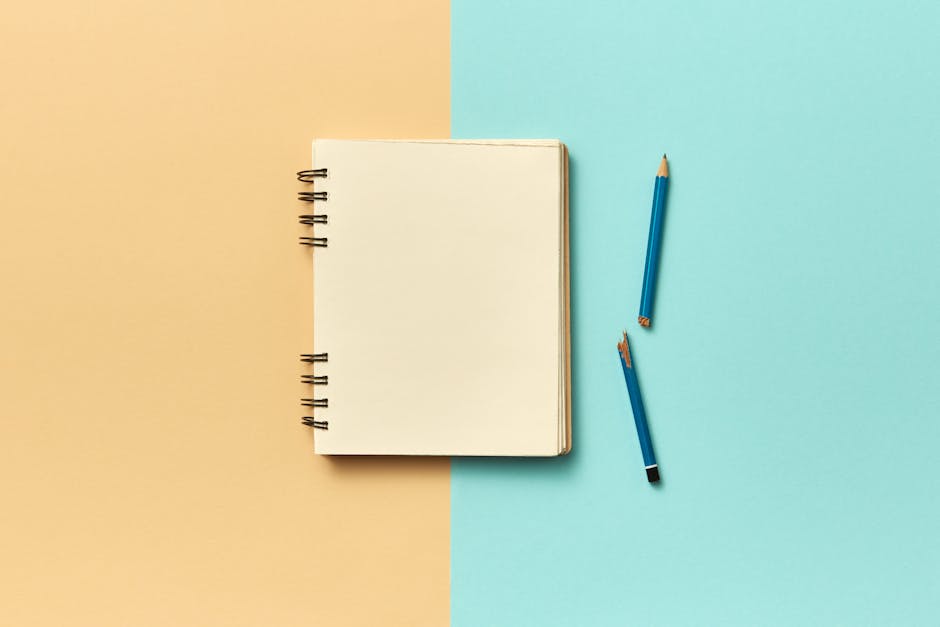
For the woman who views her journal as a multi-purpose tool—part planner, part sketchbook, part diary—the dotted grid is the superior layout. It provides enough structure to keep lines of text straight but remains subtle enough to allow for drawing and mapping. This flexibility is the cornerstone of the “Bullet Journal” method, which has become a global phenomenon among women looking to organize their lives without the constraints of a pre-printed planner.
Leuchtturm1917 Medium A5 Dotted
This is the workhorse of the journaling world. Available in dozens of colors, it includes features that many others lack: a table of contents, numbered pages, two ribbon markers, and a gusseted pocket in the back. At roughly $23, it offers the best balance of price and professional features. The paper is slightly off-white (cream), which is easier on the eyes under harsh artificial lighting than bright white paper.
The numbered pages and index are not just features; they are the infrastructure of an organized mind. They allow you to find a specific entry from three months ago in seconds.
Papier Custom Hardback Journals
If aesthetics are the primary motivator, Papier is the clear leader. Their journals (approx. $30) are customizable, allowing you to put your name or a specific title on the cover. They use 100gsm leaf-white paper which feels substantial and premium. While they lack the technical features of the Leuchtturm (no numbered pages or index), the sheer beauty of their cover designs—often collaborations with artists and museums—makes them a joy to carry.
- Pros: Stunning cover art; customizable; high-quality 100gsm paper; excellent for gifting.
- Cons: Lacks functional features like numbered pages or multiple bookmarks; paper can be a bit toothy for some fountain pens.
- Specs: 6″ x 8.5″, 96 leaves (192 pages), hardback or softback.
Midori MD Notebook
For those who appreciate Japanese minimalism, the Midori MD (approx. $12-$15) is an exceptional choice. It is often sold without a cover, featuring a simple cheesecloth-reinforced spine. The paper is legendary among stationery enthusiasts for its ability to handle fountain pen ink without feathering while maintaining a slight, pleasant texture. It is the purist’s choice, focusing entirely on the quality of the writing experience rather than external flourishes.
Environmental and Ethical Considerations in Stationery Selection
As consumers become more conscious of their environmental footprint, the stationery industry has responded with sustainable options. When looking for the best journal book for women, consider the sourcing of the paper. Look for the FSC (Forest Stewardship Council) certification, which ensures that the paper comes from responsibly managed forests that provide environmental, social, and economic benefits.
Many brands are also moving away from animal-based glues and leathers. “Vegan leather” covers, often made from polyurethane (PU) or even pineapple and apple fibers, offer the durability of traditional leather without the ethical concerns. Furthermore, the use of soy-based inks for printed prompts and acid-free paper ensures that the journal is not only eco-friendly but also archival-grade. Acid-free paper is processed to have a neutral or basic pH, which prevents the paper from becoming brittle and yellowing over time. For a woman who intends for her journals to be read by future generations, this technical detail is non-negotiable.
Archival Longevity: Ensuring Your Thoughts Outlast the Decades
A journal is a legacy. Whether it contains mundane daily logs or profound philosophical insights, the physical longevity of the book is a key factor in its value. To ensure archival quality, one must look for “acid-free” and “lignin-free” paper. Lignin is a natural component of wood that, if left in paper, causes it to oxidize and break down. High-quality journals from brands like Leuchtturm1917 and Midori prioritize these chemical standards.
Storage also plays a role in longevity. Even the best journal book for women will degrade if kept in a damp basement or exposed to direct sunlight for years. To preserve your writing, store completed journals in a cool, dry place, ideally in an upright position to prevent the spine from warping. If you use a fountain pen, ensure you are using “archival” or “permanent” ink, as many standard inks are water-soluble and will fade or run if the journal ever encounters moisture. Documenting a life is an act of historical preservation; treating the physical object with care ensures that the record remains intact.
Size, Portability, and Durability: Selecting Your Daily Companion
The physical dimensions of a journal dictate how and where it will be used. The most common sizes are A5 (5.8 x 8.3 inches), B5 (7 x 10 inches), and A6 (4.1 x 5.8 inches). Each serves a distinct purpose in a woman’s lifestyle. The A5 is widely considered the “Goldilocks” size—large enough for comfortable writing but small enough to fit into most handbags and totes. It strikes the perfect balance for the woman on the go who still needs space for substantial entries.
The B5 size is gaining popularity among those who find the A5 too cramped. It offers significantly more surface area, making it ideal for desk-based journaling or for women who incorporate a lot of visual elements, like stickers, photos, or mind maps. However, a B5 hardcover journal is bulky and heavy, often weighing over 500 grams. It is rarely the kind of book you pull out at a coffee shop or on a train. It is a stationary object, a cornerstone of a morning or evening routine at home.
Durability is the final piece of the puzzle. If a journal is meant to last a year of daily use, the cover material is paramount. Hardcover journals offer the most protection for the pages and provide a sturdy surface for writing when a desk isn’t available. Softcover journals, while lighter and more flexible, tend to show wear quickly; the corners curl, and the spine may crease. Many high-end journals now use reinforced book cloth or high-grade PU. These materials are designed to withstand being shoved into bags, spilled upon, and handled daily. When investing in a journal, consider the environment it will inhabit. A journal that stays by the bed can be delicate; a journal that travels the world needs to be a fortress.
Ultimately, the best journal book for women is one that removes the friction between a thought and its expression. It should be a tool that invites use rather than one that demands perfection. Whether you choose the archival precision of a Leuchtturm1917, the artistic freedom of an Archer & Olive, or the structured guidance of the Five Minute Journal, the goal remains the same: to create a tangible record of a life lived with intention. The investment is not just in the paper and ink, but in the clarity, peace, and historical continuity that the practice provides.